
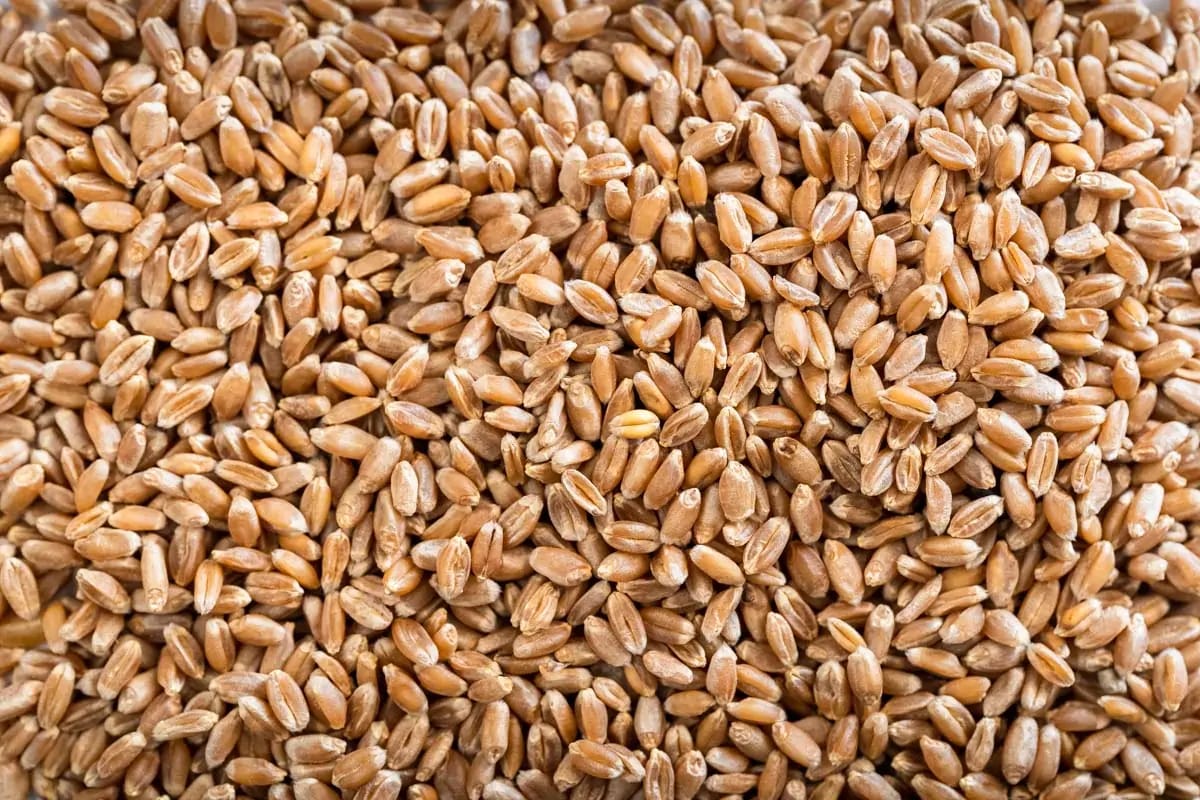
Every successful harvest starts long before planting season arrives. The seed placed in the ground influences emergence, standability, disease tolerance, grain quality, and overall productivity. Choosing the right spring wheat seeds can help growers improve both yield potential and crop consistency while adapting to changing weather conditions.
Modern seed genetics give farmers access to stronger plants, improved protein content, and dependable performance across a wide range of growing environments. Companies such as Thunder Seed continue to invest in research and field testing so producers can make planting decisions with greater confidence. Understanding what separates one variety from another is an important step toward maximizing the value of every acre.
Spring Wheat Seeds Play an Important Role in Crop Performance
The quality of seed genetics has a direct influence on plant development throughout the growing season. Strong emergence helps establish healthy stands, while improved resistance traits support crop development during periods of environmental stress.
High-quality wheat seeds are often selected based on several important factors, including:
- Yield potential
- Protein content
- Standability
- Straw strength
- Disease resistance
- Adaptability to local growing conditions
Characteristics Farmers Should Look for in Spring Wheat Seeds
Not all seed options are designed for the same conditions. Understanding key performance traits allows producers to select varieties that align with their long-term goals.
Hard Red Spring Wheat Seeds and Protein Performance
Many growers choose hard red spring wheat seeds because of their ability to produce grain with desirable milling and baking qualities. Strong protein content often increases market value while contributing to overall grain quality.
Selecting genetics with stable protein levels can help farmers maintain consistency even when environmental conditions become less predictable.
High Protein Wheat Seeds Support Grain Quality
Strong grain quality remains a priority for both producers and end users. High protein wheat seeds are often selected to achieve higher quality standards while preserving strong yield performance. Protein levels may also affect market opportunities, making variety selection an important business decision.
Early Maturity Wheat Seeds for Changing Conditions
Short growing seasons create unique challenges in many regions. Early maturity wheat seeds allow crops to reach harvest sooner while reducing exposure to late-season weather risks. Earlier maturity can also provide additional flexibility during harvest planning.
Wheat Seed Varieties Offer Different Advantages
Different wheat seed varieties perform better under specific conditions. Soil quality, climate patterns, planting schedules, and disease pressure all influence the ideal choice for each field. Growers who understand these factors can make more informed planting decisions while improving overall productivity.
Strong Standability Reduces Harvest Losses
Lodging can negatively affect grain quality and increase harvest difficulties. Strong straw strength and dependable standability help protect the crop throughout the growing season. These characteristics also contribute to greater efficiency when harvesting begins.
Modern Genetics Improve Spring Wheat Seeds
Advances in plant breeding continue to strengthen the performance of modern wheat seeds. New genetics are developed to improve disease tolerance, maintain stronger protein levels, and support higher yields. Field testing remains a critical part of the process. Thunder Seed evaluates varieties under actual growing conditions to provide farmers with practical information that supports better decision-making.
Several of our wheat seed varieties have earned recognition for their performance characteristics:
- TW Olympic is known for excellent yield potential and strong protein content.
- TW Trailfire is valued for its earlier maturity and dependable performance.
- TW Starlite delivers excellent grain quality and impressive standability.
Regional Adaptation Creates More Consistent Results
Environmental conditions can change dramatically from one growing region to another. Rainfall patterns, temperature fluctuations, and soil conditions all affect crop development. Selecting wheat seeds that have been tested under regional conditions can contribute to stronger establishment and more dependable yields. Farmers across Minnesota, North Dakota, South Dakota, and western Canada often place significant value on locally proven genetics. Thunder Seed continues to work closely with growers to identify solutions that meet the demands of modern agriculture.
How Can Farmers Select the Right Variety?
The right selection process begins with a careful assessment of field conditions and production goals. Farmers should consider several important factors before planting:
- Historical field performance
- Soil conditions
- Maturity requirements
- Disease resistance
- Harvest objectives
- Protein expectations
Spring Wheat Seeds and the Future of Grain Production
Agriculture continues to evolve as growers face changing weather patterns, shifting market conditions, and increasing production demands. Reliable genetics remain one of the most effective tools for maintaining strong performance year after year. By focusing on seed quality, protein content, standability, and regional adaptability, producers can position themselves for stronger harvests and improved grain quality. Thunder Seed remains committed to helping growers achieve these goals through ongoing research, innovation, and extensive field experience.
Invest in High-Quality Spring Wheat Seeds for Better Results
Contact Thunder Seed today to explore spring wheat seeds designed to deliver higher yields, improved grain quality, and dependable field performance.


