
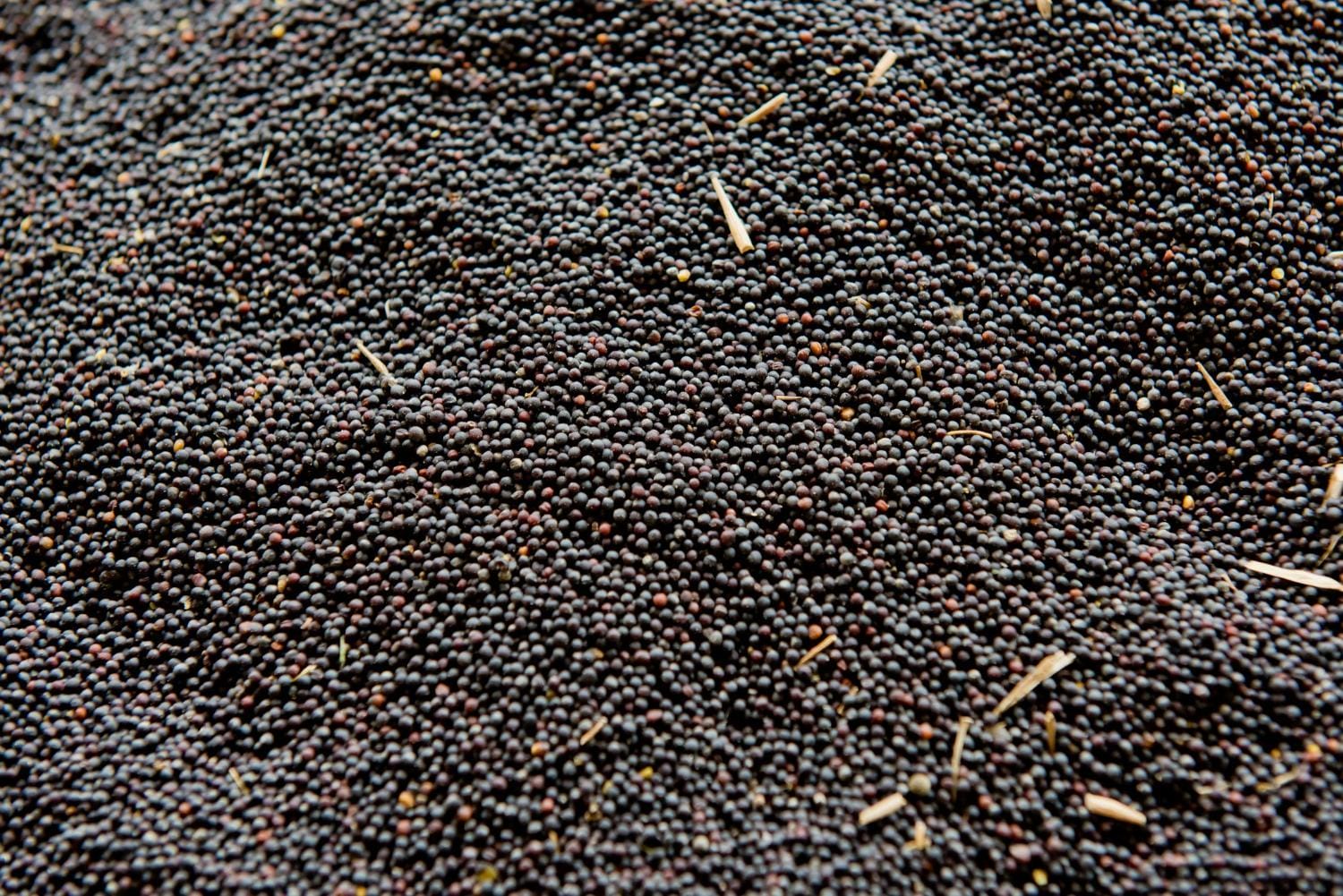
Choosing the right canola genetics can have a direct impact on crop performance and farm economics. High-yield canola seeds can help growers pursue strong production while selecting traits suited to local growing conditions, disease pressure, maturity needs, and harvest plans.
A productive seed choice is not simply about choosing the highest yield number. Growing season length, soil conditions, disease history, crop rotation, harvest timing, and regional climate can all influence which hybrid makes the most sense for a particular field. Thunder Seed offers canola genetics with different maturity levels and agronomic traits, giving growers options for varied growing environments. LibertyLink hybrids such as CS4200 LL and CS4100 LL provide growers with additional options that combine yield potential with PodProtect shatter tolerance, clubroot resistance, and maturity profiles suited to different production needs.
High-Yield Canola Seeds Support Better Farm Economics
Yield potential remains a key part of canola profitability because more harvested grain can drive higher revenue per acre. The genetic package behind that potential matters just as much when growing conditions become challenging. A hybrid that fits the available growing season can help growers manage maturity and harvest timing. Disease resistance can help address known field pressures, while pod shatter tolerance can provide additional flexibility when weather delays harvest.
This makes seed selection a field management decision, not a simple product comparison. Growers can look at how different characteristics work together to support production from planting through harvest.
Matching Canola Genetics to Every Growing Zone
Different growing zones create different opportunities and limitations for canola production. Short season areas may place greater emphasis on early maturity, while regions with longer growing windows can accommodate mid-maturity hybrids.
Thunder Seed’s LibertyLink lineup includes CS4100 LL, a mid-season hybrid suitable for all growing zones, and CS4200 LL, a mid-late hybrid with excellent early-season vigor. These LibertyLink options allow growers to consider maturity alongside agronomic characteristics such as shatter tolerance and disease resistance. CS2600 CR T is listed as the earliest season hybrid in the lineup and is suitable for even the shortest growing zones. CS3300 TF is another early maturity option designed for short-season areas and can add harvest flexibility across growing zones. This range allows growers to consider genetics based on the conditions of individual fields instead of relying on one maturity profile across an entire operation.
Essential Traits to Consider When Selecting a Canola Hybrid
Yield potential is only one part of a strong canola seed strategy. Agronomic traits can influence how well a crop responds to disease pressure, seasonal limitations, and harvest conditions.
Blackleg Resistant Canola Hybrids
Blackleg-resistant canola hybrids can be valuable in fields where blackleg has been a recurring concern. Resistance varies by genetic package, so growers should review the specific resistance information for each hybrid.
CS4100 LL features R E2G blackleg resistance, while CS2600 CR T lists R C resistance. CS3300 TF provides multigenic blackleg resistance with an R AE2 rating. These options allow growers to consider disease history when comparing seed genetics.
Early Maturity Canola Hybrids
Early maturity canola hybrids can be particularly useful in regions with shorter growing seasons. Earlier maturity can help growers manage the time available for crop development and may create additional options around harvest scheduling.
CS2600 CR T is positioned as the earliest season hybrid. CS3300 TF is also suited to short-season growing zones and can provide additional harvest flexibility across different environments.
PodProtect Shatter Tolerance
PodProtect shatter tolerance is another important consideration when planning canola harvest. Strong pod retention can support straight cut harvesting and provide useful flexibility when weather affects the harvest window.
CS4200 LL carries an 8-plus pod shatter rating with PodProtect shatter tolerance, while CS4100 LL also features PodProtect for strong straight cut performance. CS3300 TF also features PodProtect and is promoted for straight cut performance. These options allow growers to evaluate shatter tolerance alongside herbicide system, maturity, and other agronomic characteristics when selecting canola genetics.
Clubroot Resistant Canola
Clubroot-resistant canola genetics can be an important consideration for fields with a history of clubroot. Resistance packages differ between hybrids, making it important to review the specific pathotypes covered by each product.
CS4200 LL and CS4100 LL both include first- and second-generation clubroot resistance with resistance to 3H, 3A, and 3D pathotypes. CS2600 CR T also includes first- and second-generation resistance with protection against several listed pathotypes. These resistance packages give growers additional options for matching canola genetics to known disease pressure within individual fields.
Combining Yield Potential With Agronomic Fit
A strong hybrid selection balances several characteristics rather than focusing on a single trait. A grower in a short-season region may prioritize early maturity, while a field with known disease concerns may require a stronger resistance package.
The same approach applies to harvest planning. Pod shatter tolerance can become more important when straight cutting is part of the management strategy or when harvest conditions may be unpredictable. This combination of yield potential, maturity, disease resistance, and harvest characteristics gives growers a more practical framework for comparing high-yield canola seeds.
How Can Growers Build a Better Canola Seed Strategy?
The most effective seed strategy begins with understanding the conditions of each field. Start by reviewing the growing zone, expected season length, and historical crop performance. Then consider disease history, maturity requirements, harvest plans, and the characteristics most important to the operation. Current product data and regional trial results should also be reviewed before making a final decision. Technical information from Thunder Seed notes that local conditions and farming practices can influence shatter performance, reinforcing the importance of evaluating genetics within the context of individual farm conditions. A field-specific approach can help growers avoid selecting seed based solely on a headline yield figure. Instead, genetics can be matched to the environmental and management factors that influence crop performance.
Turning Seed Selection Into a Profitability Strategy
Canola profitability begins long before harvest. The genetic decision made at planting can influence maturity, disease management, harvest timing, and yield potential throughout the season. High-yield canola seeds can support this strategy when growers select genetics that match the demands of each growing zone. Early maturity can help address shorter seasons, disease resistance can support crop protection planning, and pod shatter tolerance can offer additional harvest flexibility.
Thunder Seed’s LibertyLink options include CS4200 LL and CS4100 LL, giving growers access to hybrids with PodProtect shatter tolerance, clubroot resistance, and different maturity profiles. CS4100 LL also provides R-E2G blackleg resistance, while CS4200 LL combines mid-late maturity with excellent early-season vigor and an 8-plus pod shatter rating. TruFlex options such as CS2600 CR T and CS3300 TF provide additional choices for growers who need earlier maturity or different trait packages. A thoughtful approach to seed selection can help growers align genetic potential with practical farm conditions. The result is a decision based on the complete production picture rather than yield potential alone.
Choose High-Yield Canola Seeds for Your Growing Zone
Explore high-yield canola seeds from Thunder Seed and compare genetics for the conditions of your acres.


